
What Are the Potential Risks of Not Having a Financial Advisor for My Investments?
Investing without a financial advisor isn’t automatically a mistake – plenty of people manage straightforward situations well on their own – but it does carry real, specific risks: behavioral mistakes during volatile markets, gaps in diversification, missed tax efficiency, and the compounding effect of small errors over decades. The risk isn’t going it alone; it’s not knowing which of these blind spots actually apply to your situation. Here’s an honest look at the DIY investing risks that tend to go wrong.
Key Takeaways
- Behavioral mistakes – panic-selling, overconfidence, confirmation bias – are consistently cited as some of the costliest DIY investing errors.
- Asset allocation and diversification gaps often go unnoticed until a downturn exposes them.
- Time and complexity can lead to missed opportunities, not from lack of intelligence but from lack of bandwidth.
- Inflation and longevity risk are easy to underestimate without a structured, long-term plan.
- Tax inefficiency and hidden costs can quietly erode returns in ways that are hard to see without comparing what’s actually possible.
- A fiduciary advisor addresses these risks directly, though DIY investing isn’t inherently wrong for every situation – it depends on complexity and comfort level.
What Are the Key Behavioral Risks of Investing Without a Financial Advisor?
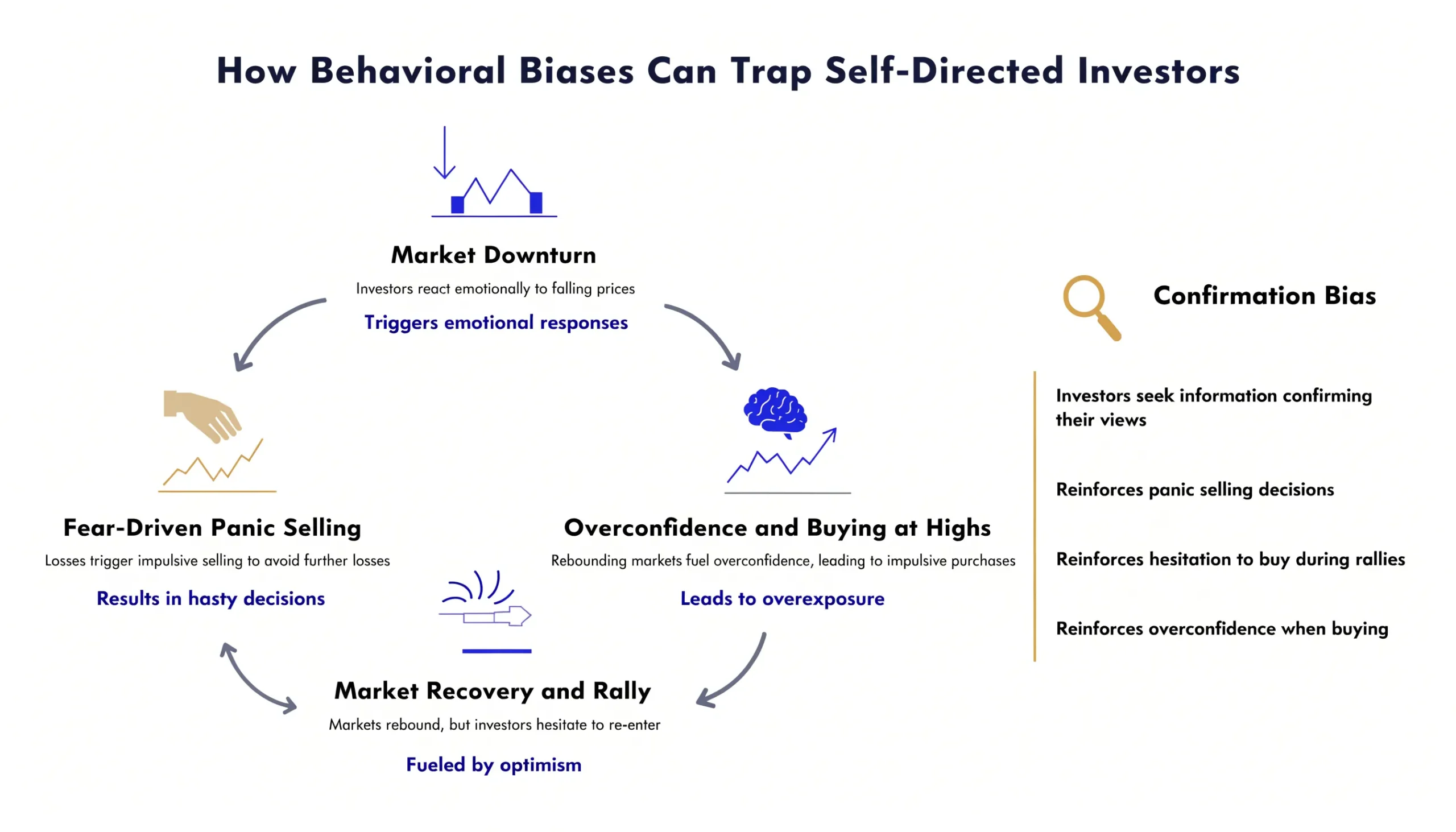
Of everything that can go wrong in self-directed investing, behavioral investing mistakes are among the most consistently cited – and the hardest to catch without an outside perspective.
How Does Emotional Investing Impact My Investment Decisions?
Markets move in cycles, and it’s a well-documented pattern that investors often sell during downturns out of fear and buy during rallies out of excitement – the opposite of a disciplined long-term strategy. Without someone to provide perspective in the moment, these emotional decisions can be difficult to catch until after the damage is already done.
What Role Does Overconfidence and Confirmation Bias Play in Self-Directed Investing?
Overconfidence can lead investors to take on more concentrated risk than they realize, while confirmation bias makes it easy to seek out information that supports a decision already made rather than genuinely challenging it. Neither bias is a sign of poor intelligence – they’re well-documented patterns that affect experienced and inexperienced investors alike, which is part of why an outside perspective can be valuable regardless of how much someone already knows.
What Strategic Mistakes Do DIY Investors Commonly Make in Asset Allocation and Diversification?
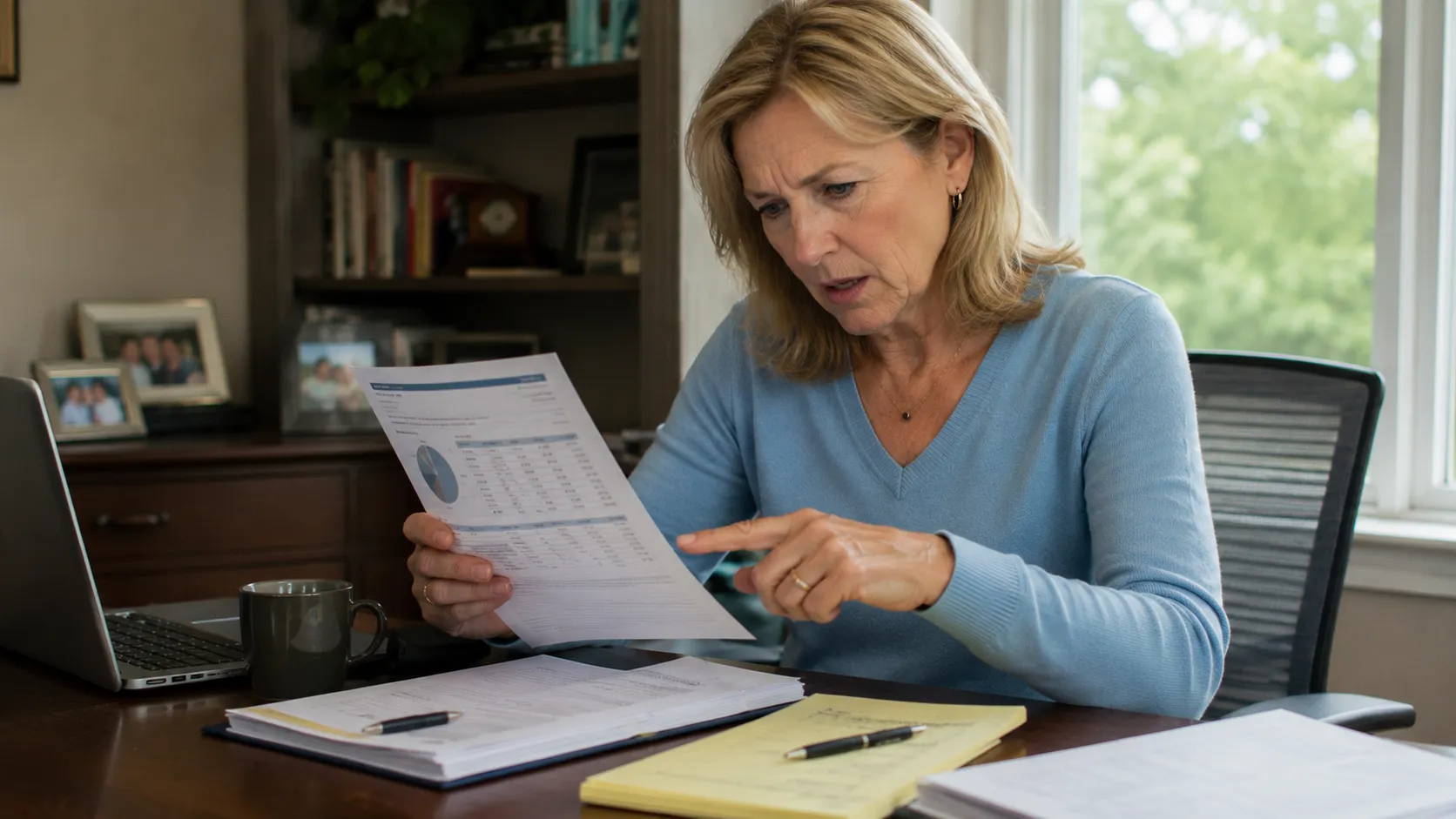
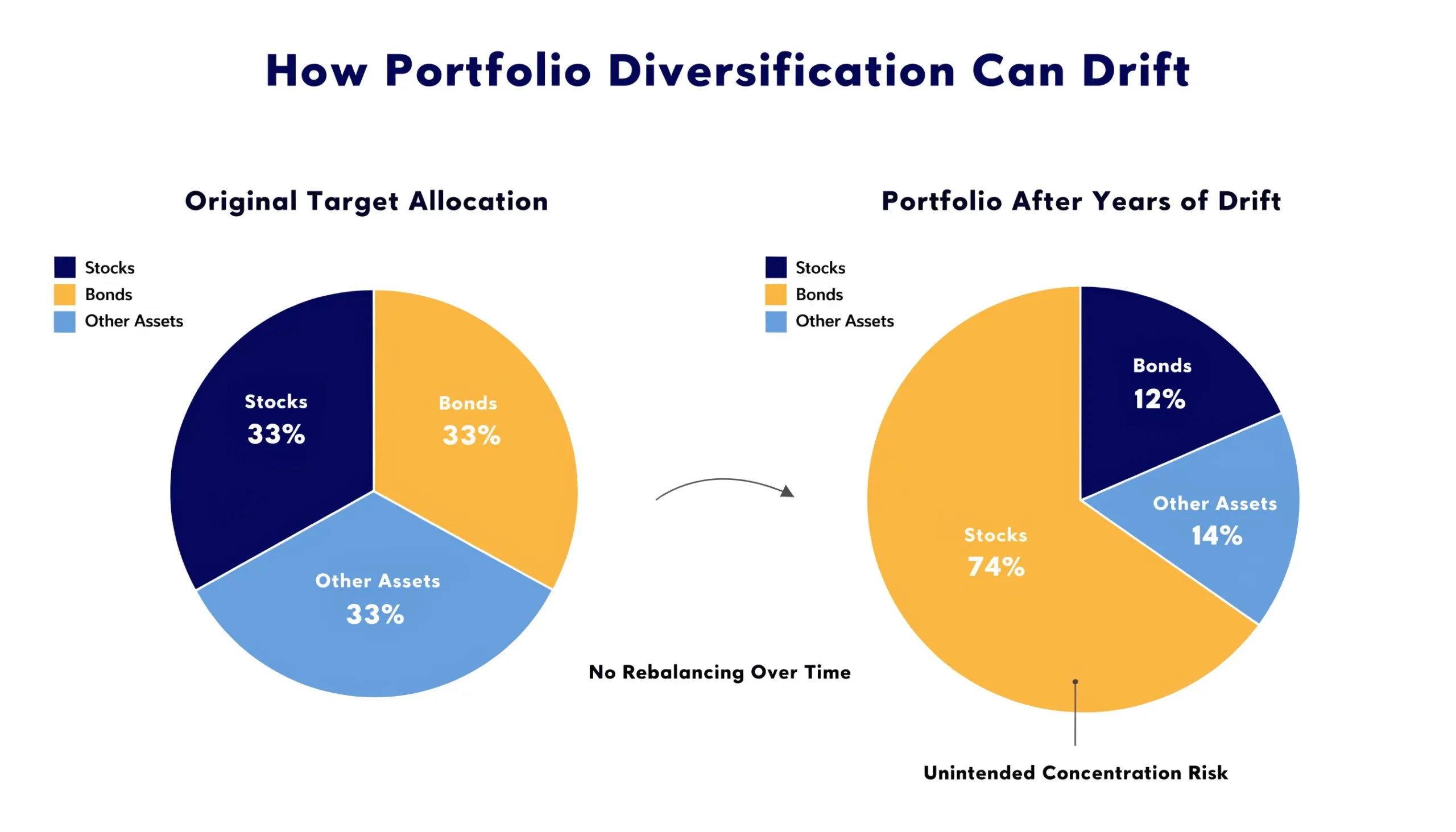
Even well-intentioned self-directed investors can end up with a portfolio that looks fine on the surface but carries hidden investment diversification risks.
Why Is Proper Asset Allocation Critical to Preventing Losses?
Asset allocation – how a portfolio is divided across stocks, bonds, and other assets – is widely considered a bigger driver of long-term outcomes than individual security selection, yet it’s often the piece self-directed investors give the least deliberate attention. A portfolio that drifts out of its intended allocation over time, without anyone rebalancing it, can end up carrying far more risk than originally intended.
How Does Lack of Diversification Increase Investment Risk?
It’s common for self-directed portfolios to become unintentionally concentrated – too much in a single stock, sector, or employer’s shares – simply because those positions grew over time without a deliberate rebalancing plan. This kind of concentration risk often isn’t visible until a downturn in that specific area causes outsized losses.
How Does Not Having a Financial Advisor Lead to Missed Investment Opportunities and Market Complexity Challenges?
Beyond behavior and allocation, there’s a simpler, more practical risk: not everyone has the time or specialized knowledge to stay on top of a constantly shifting landscape.
What Are the Consequences of Missing Growth Opportunities Without Expert Guidance?
Certain strategies – tax-advantaged structures, specific account coordination, alternative investments limited to accredited investors – simply aren’t visible to someone without exposure to the broader landscape of what’s available. This isn’t a knock on self-directed investors; it reflects how specialized parts of the financial industry can be.
How Do Time and Expertise Deficits Affect DIY Investment Performance?
Between a career, a family, and everyday life, most people simply don’t have the bandwidth to research tax law changes, monitor a portfolio closely, and coordinate decisions across multiple accounts – not because they couldn’t learn it, but because there’s genuinely limited time to do it well. Recognizing a time constraint isn’t a weakness; it’s the same instinct that leads people to hire specialists for other important parts of life.
What Economic Risks Like Inflation and Longevity Do Investors Face Without Professional Advice?
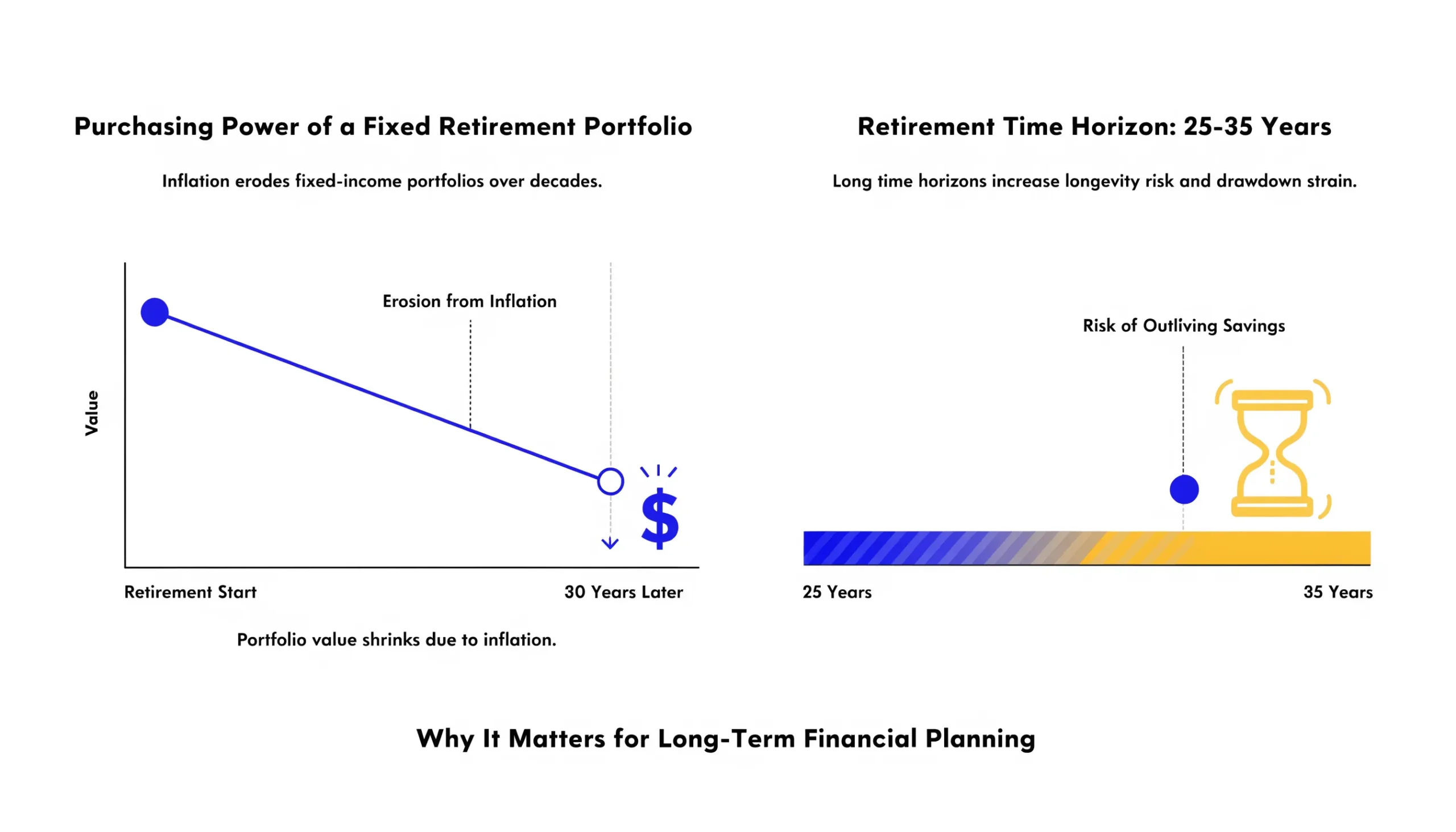
Two of the most underestimated retirement risks aren’t about picking the wrong investment – they’re about the slow, compounding effects of various factors that require careful attention over time.
How Does Inflation Erode Purchasing Power in Unmanaged Portfolios?
Inflation steadily reduces the purchasing power of cash and overly conservative portfolios, which is one reason a retirement portfolio that feels “safe” today can fall short decades into retirement if it doesn’t account for rising costs along the way. Without a structured plan, it’s easy to become more conservative than necessary out of caution, unintentionally increasing this risk rather than reducing it.
Why Is Longevity Risk a Critical Factor in Retirement Planning Without an Advisor?
Longevity risk – the risk of outliving your savings – is difficult to plan for intuitively, since it requires balancing today’s spending against a retirement that could last 25 to 35 years or more. Without a structured withdrawal strategy, it’s easy to either spend too conservatively out of fear or too aggressively without realizing the long-term consequence until it’s too late to adjust.
What Operational and Hidden Costs Can DIY Investors Encounter Without a Financial Advisor?

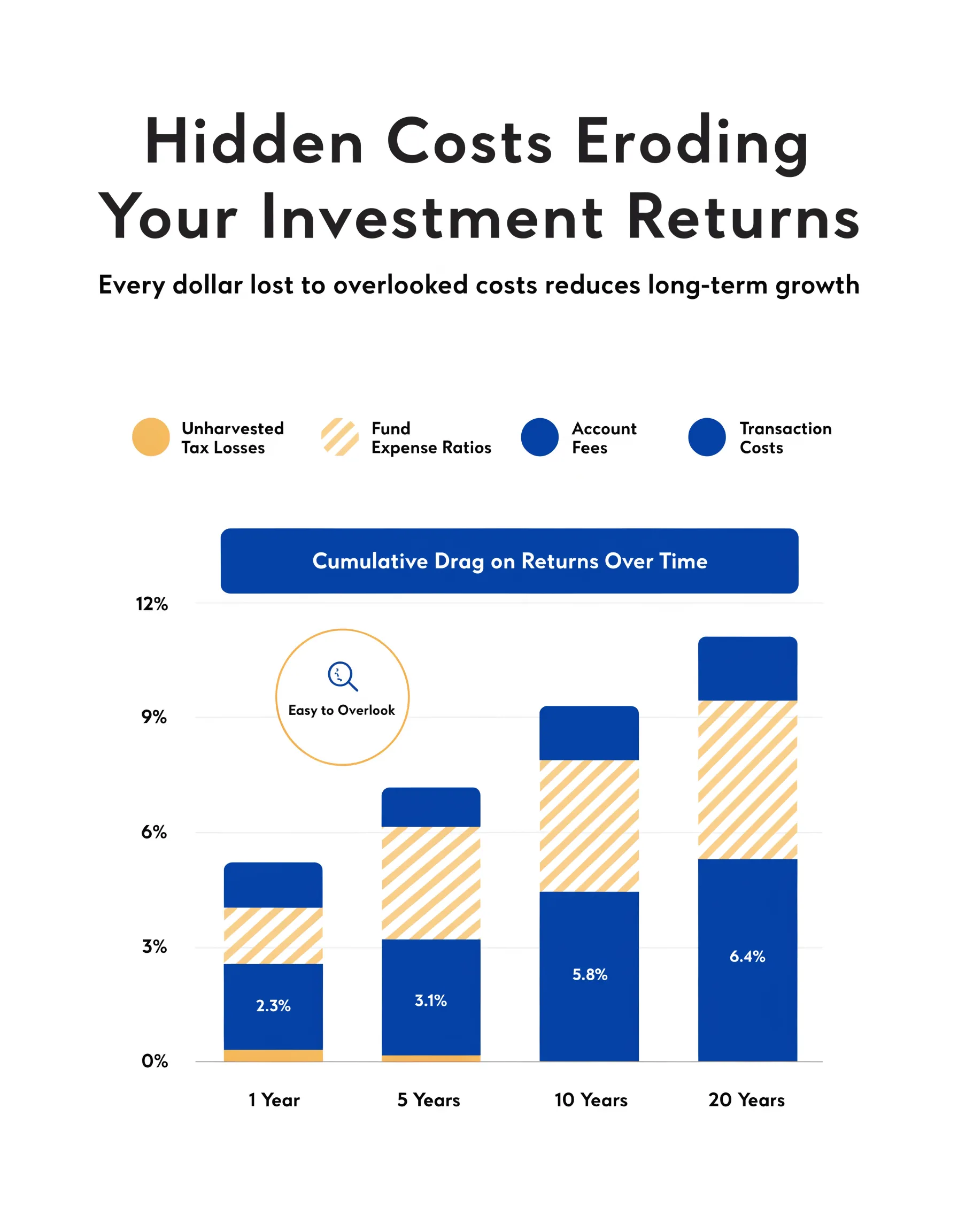
Some of the costliest DIY investing mistakes aren’t dramatic – they’re quiet, ongoing inefficiencies that are easy to miss without something to compare against.
How Do Tax Inefficiencies Reduce Returns for Self-Directed Investors?
Without proactive tax-loss harvesting, thoughtful asset location, and coordinated gain realization, self-directed portfolios often pay more in taxes than necessary, simply because these strategies require ongoing attention most people don’t have time to give. Over many years, this kind of quiet tax inefficiency can add up to a meaningfully larger cost than most investors realize.
What Are the Hidden Fees and Costs DIY Investors Often Miss?
Underlying fund expense ratios, account fees, and transaction costs can all quietly reduce returns, especially when spread across multiple accounts without anyone reviewing the total, all-in cost. These aren’t hidden in the sense of being concealed – they’re disclosed – but they’re easy to overlook without someone specifically looking for them.
How Does a Fiduciary Financial Advisor Like CCWMG Mitigate These Risks?
None of this means DIY investing is always the wrong choice – but it does explain why a structured, professional relationship can address risks that are hard to see from the inside.
What Is the Importance of Fiduciary Duty in Protecting Investment Interests?
A fiduciary is legally required to act in the client’s best interest, rather than recommending whatever is most profitable for the advisor. CCWMG operates as a fiduciary, which is meant to ensure that addressing the risks above is genuinely built around the client’s situation, not shaped by a competing incentive.
How Does Personalized Financial Planning and Behavioral Coaching Reduce Investment Mistakes?
CCWMG’s Milestone Clarification Process™ (MCP™) starts with a client’s full financial picture before recommending any specific strategy, and treats behavioral coaching as part of the ongoing relationship rather than a one-time conversation. This kind of structured, coordinated process is specifically designed to address the behavioral, allocation, tax, and complexity risks described above – together, rather than one at a time.
Frequently Asked Questions
Does this mean DIY investing is always a mistake? No – for straightforward situations, disciplined DIY investors can do well on their own. The risks described here tend to matter most as complexity grows: multiple accounts, tax considerations, concentrated positions, or a retirement income plan that needs to last decades.
How do I know if my situation is complex enough to warrant professional help? A reasonable starting point is asking whether you fully understand your current tax efficiency, whether your portfolio is genuinely diversified rather than just diversified-looking, and whether you have a specific withdrawal strategy for retirement – not just a savings total.
Wondering Which of These Risks Actually Apply to You?
Not every risk on this list applies equally to every investor – some matter far more than others depending on your specific situation. Creative Capital Wealth Management Group’s complimentary Second Opinion Service™ can help you find out which ones are actually worth your attention, with no obligation to move forward.