
Natural resources – primarily timberland and farmland – have quietly played a role in institutional endowment portfolios for decades as part of a broader endowment investment strategy, valued for their historically low correlation to stocks and bonds and their reputation among inflation hedge investments. Unlike venture capital or private equity, this asset class doesn’t get much attention in everyday investing conversations, despite university endowments and pension funds owning it in meaningful size. Here’s what natural resources investing actually involves.
Key Takeaways
- Natural resources investing primarily means timberland and farmland, both real, physical assets that generate income and can appreciate in value.
- Historical correlation to stocks and bonds has been close to zero, making this a genuine diversification tool, not just a marketing claim.
- Both asset classes have a strong reputation as inflation hedges, since commodity and land values have tended to move with, rather than against, inflation.
- Timberland generates income through periodic harvesting, while the underlying asset – the trees – continues appreciating in value while you wait.
- Reported low volatility deserves a caveat – farmland and timberland trade infrequently in non-public markets, which can make them appear more stable than they might be if priced continuously.
- The Creative Capital Household Endowment Model (CCHEM) includes natural resources alongside private equity, venture capital, and real estate.
What Does “Natural Resources” Actually Mean as an Asset Class?
The term covers a narrower, more specific set of investments than it might initially suggest.
What’s the Difference Between Timberland and Farmland Investing?
Timberland investing means owning forested land specifically for harvesting timber and benefiting from land appreciation, while farmland investing means owning agricultural land – row crops, permanent crops, or vegetable cropland – for income generated through crop production or lease revenue. Both are real assets with a physical, tangible underlying property, but the income mechanics and market drivers differ meaningfully between the two.
How Do These Differ From Investing in Commodities Directly?
Commodities – both “hard” commodities like energy and metals, and “soft” commodities like agricultural products – are typically the raw materials themselves, traded on public markets, while timberland and farmland are the underlying land that produces those commodities over time. CCWMG includes natural resources among the non-correlated asset classes incorporated within its Household Endowment Model (CCHEM), generally referring to this land-based category rather than direct commodity trading.
Why Have Endowments Relied on Natural Resources for Decades?
This asset class has a long, established track record in institutional portfolios, spanning several decades.
What Makes This Asset Class a Genuine Inflation Hedge?
Agricultural commodity prices and timber values have historically tended to move with inflation rather than against it, which is part of why farmland and timberland have earned a reputation as effective inflation hedges over multi-decade periods. This pattern is well documented in institutional research on the asset class, not a marketing claim specific to any one firm.
How Low Is the Actual Correlation to Stocks and Bonds?
Historical correlations between farmland, timberland, and traditional assets like stocks and bonds have been documented as close to zero, meaning these assets have tended to behave largely independently of public market swings. This low correlation is a large part of why long-term, tax-exempt institutional investors – pension funds, foundations, and university endowments – have favored direct ownership of these assets for decades.
How Does Timberland Actually Generate Returns?
Timberland’s return mechanics are genuinely distinct from most other asset classes, including other real assets.
What Role Does Periodic Harvesting Play?
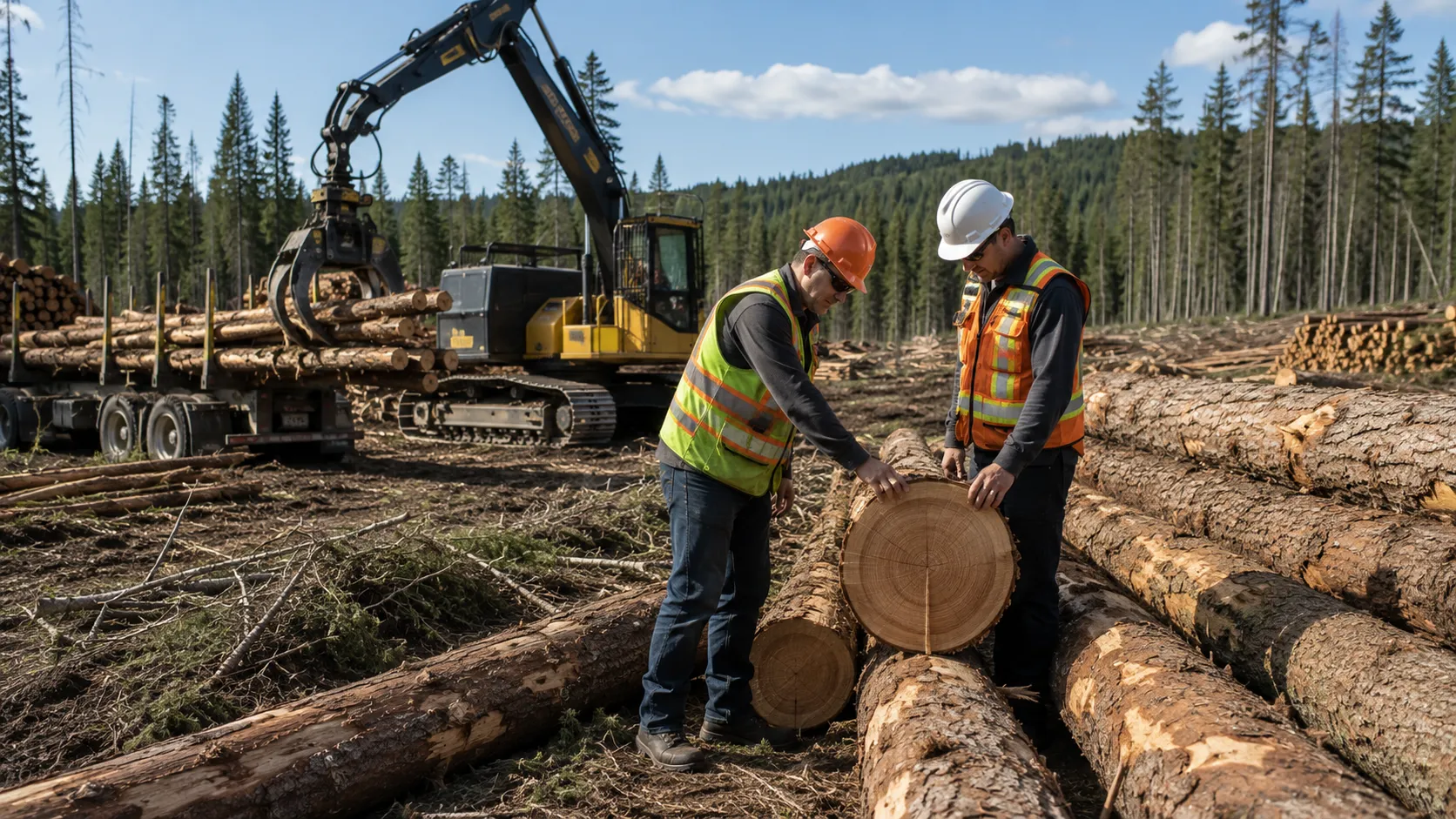
Timberland generates income through periodic wood sales as trees reach harvestable maturity, with owners – often working through specialized Timberland Investment Management Organizations – managing the land to balance harvest timing with responsible, sustainable forestry practices. This periodic income is one return driver; land value appreciation is the other.
Why Does Timberland “Grow” Its Own Value While You Wait?
Unlike most investments, timberland’s underlying asset literally increases in physical volume over time as trees grow, adding a biological growth component to returns that’s genuinely unique among real asset classes – the trees themselves become more valuable simply by continuing to grow, independent of market price changes. This is part of what gives timberland its long-term, patient character as an investment.
How Does Farmland Investing Work Differently?
Despite sharing several characteristics with timberland, farmland’s return drivers operate on a distinct timeline and set of market dynamics.
What Drives Farmland Income and Appreciation?
Farmland income is generated through crop production or lease payments from operating farmers, with revenue closely tied to agricultural commodity prices and harvest yields, while the land itself can also appreciate based on location, soil quality, and proximity to infrastructure. Unlike timberland, farmland income has less flexibility in timing, since crops generally need to be harvested when they’re ripe rather than on an owner’s preferred schedule.
Why Is Farmland a More Recent Institutional Phenomenon Than Timberland?
Timberland has been part of large institutional portfolios for decades, while dedicated farmland investment funds are a comparatively more recent development, with fewer specialized vehicles historically available compared to timberland. This is shifting as growing attention to population growth, water management, and sustainability draws more institutional interest toward farmland specifically.
What Should You Know Before Adding Natural Resources to a Portfolio?
Understanding the appeal of this asset class matters less than understanding its real characteristics honestly.
Is Low Volatility in This Asset Class as Real as It Looks?
Not entirely – farmland and timberland trade infrequently in non-public markets, which tends to make reported volatility appear lower than it might be if these assets were priced continuously like publicly traded stocks, even though they still face real risks like weather events and commodity price swings. Reported low volatility partly reflects how infrequently these assets are valued, not necessarily that the underlying risk is genuinely lower than it appears.
How Does CCWMG Incorporate Natural Resources Within CCHEM?

CCHEM incorporates natural resources alongside private equity, venture capital, and real estate as part of a broader non-correlated asset allocation strategy, supporting alternative investments diversification within a range determined by the client’s needs. CCWMG treats alternatives as tools, not requirements – natural resources exposure is considered only when it genuinely fits a client’s diversification goals and time horizon.
Frequently Asked Questions
Do I need to personally manage farmland or timberland to invest in it? No – most individual investors access this asset class through professionally managed funds or vehicles, rather than directly owning and managing the land themselves, similar to how other alternative investments are typically structured.
Is natural resources investing the same as investing in oil and gas? Not exactly – oil and gas investing is generally categorized separately and involves different tax mechanics and risk factors, while natural resources in this context typically refers specifically to farmland and timberland as real, land-based assets.
Curious Whether This Overlooked Asset Class Belongs in Your Portfolio?
Natural resources rarely come up in everyday investing conversations, despite decades of use inside the portfolios of the world’s largest endowments. Creative Capital Wealth Management Group can help you think through whether this quiet diversification tool actually fits your own strategy.