
Estate Planning Services Near Me: What to Expect
By Frederick Hubler, Creative Capital Wealth Management Group
Navigating the realm of estate planning can seem daunting, particularly for those unfamiliar with its intricacies. Understanding what estate planning services entail and how they can benefit you is crucial for effective wealth management. This article sheds light on what to expect when searching for “estate planning services near me,” emphasizing essential information, the planning process, and key factors in selecting a trusted planner. Many individuals face challenges in ensuring their wishes are honored after they’re gone. By engaging with competent estate planning services, you can create a pathway that secures your assets and provides for your loved ones. We’ll dive into various services offered, the estate planning process, and what information to consider before making a choice.
Services Offered
Estate planning encompasses a diverse range of services tailored to orchestrate an individual’s wealth management effectively. These services are critical for ensuring that your assets are distributed according to your wishes. For individuals looking to secure their financial future and ensure their assets are managed optimally, comprehensive wealth management is a cornerstone of sound financial strategy. This often involves integrating estate planning with broader financial goals.
- Comprehensive Financial Planning: This includes strategies that cover everything from retirement planning to investment strategies.
- Investment Management: Guidance on selecting the right investment opportunities based on your goals and risk tolerance.
- Tax Planning: Strategic approaches to minimize tax liabilities for your estate.
- Preparation of Legal Documents: Essential legal documentation required for the estate planning process, ensuring that your wishes are legally documented and enforceable.
- Ongoing Support: Continued assistance to review and modify your estate plans as circumstances change.
Estate Planning Process

The estate planning process is a multi-step journey designed to secure your assets effectively. It usually involves various stages, each paramount in ensuring that your estate is handled according to your preferences.
Initial Consultation
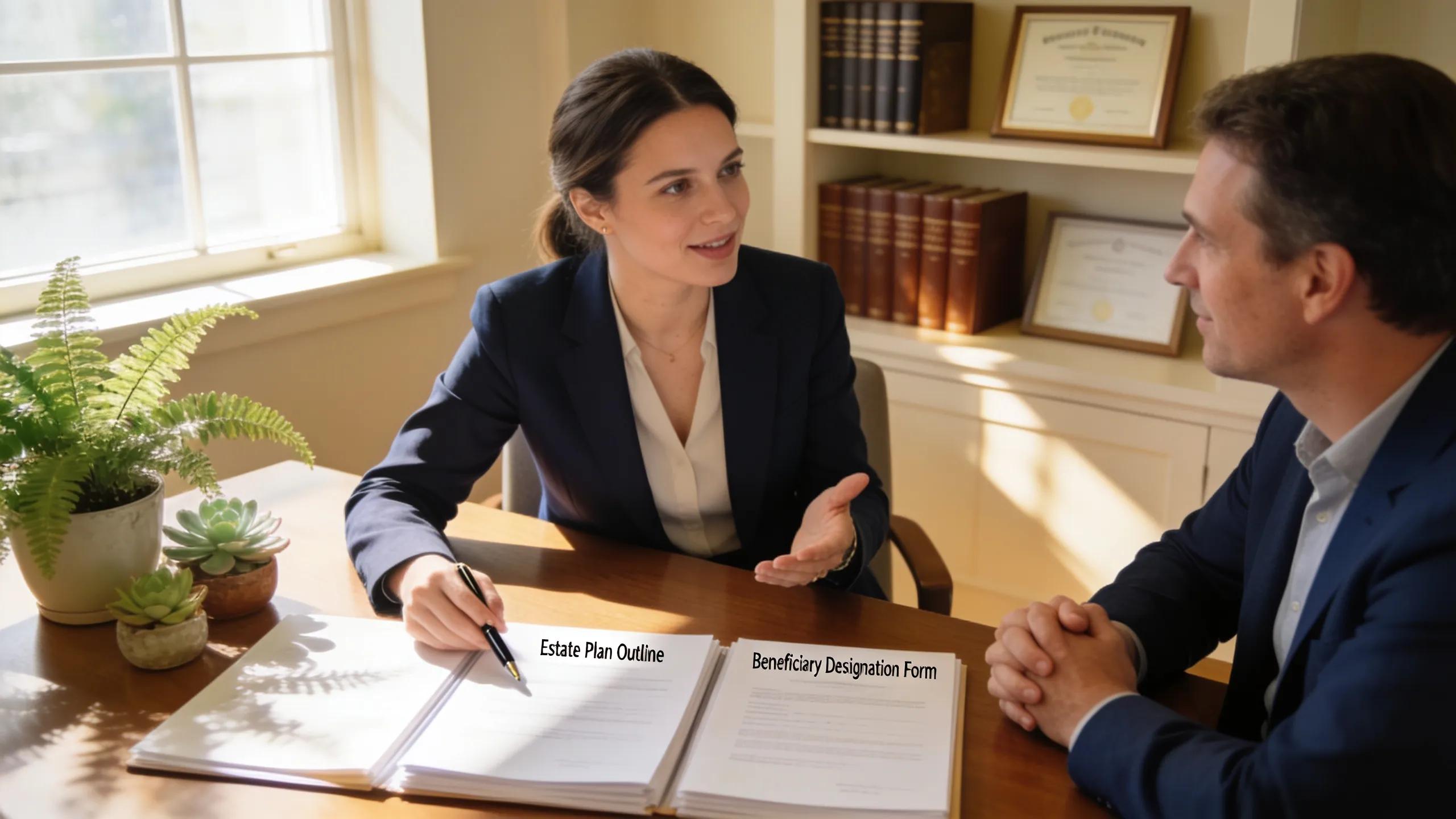
The first step in the estate planning process is the initial consultation, where professionals discuss your financial situation in detail. Expect to address your goals and concerns in this meeting, laying the groundwork for a customized approach.
Assessment of Assets
Assessing your assets is crucial for creating a comprehensive estate plan. This step involves identifying all your assets and evaluating their current financial status to determine how they will be distributed.
Strategy Development
Once your assets are assessed, a tailored estate plan is formulated. This strategy incorporates legal documents and various financial strategies to meet your specific needs, aligning your desires with actionable steps.
Implementation
The implementation phase involves executing the estate plan, which includes the creation of critical legal documents and the signing of final agreements to ensure everything is in order.
Regular Reviews
Regular reviews of your estate plan are essential. They allow you to adapt to changes in personal circumstances or legal updates that could impact your plan, ensuring that it remains relevant and effective.
Important Factors to Consider When Selecting an Estate Planner

Choosing the right estate planner can significantly impact your planning process. Here are some factors to consider:
- Credentials and Certifications: Ensure your estate planner has the necessary qualifications and licenses.
- Fiduciary Responsibility: Opt for planners who act in your best interest and have a fiduciary duty to uphold.
- Local Market Knowledge: A planner with familiarity in your region can help navigate specific state laws and regulations.
- Transparent Fee Structures: Understanding how you will be charged is vital. Look for transparency in their pricing model.
- Client Communication and Trust: Establish a good rapport and communication line to ensure your planner acknowledges your needs effectively. For individuals seeking to optimize their financial trajectory, understanding the nuances of wealth management is crucial. This involves a holistic approach that integrates various financial services.
What Are the Essential Documents Included in Estate Planning Services?
Essential documents in estate planning form the backbone of your plan, ensuring your wishes are respected. Some of the key documents include:
- Wills: Essential for detailing how your assets will be distributed.
- Trusts: Enable asset management during your lifetime and after death.
- Powers of Attorney: Designate someone to make decisions on your behalf if you become incapacitated.
- Healthcare Directives: Outline your medical care preferences in critical situations.
- Beneficiary Designations: Specify who will receive your assets directly.
How Do Wills, Trusts, and Powers of Attorney Protect Your Estate?
These critical documents provide essential protection for your estate in various ways:
- Wills ensure that your assets are distributed as you desire.
- Trusts allow for long-term management and protection of your assets against taxes and probate.
- Powers of Attorney empower trusted individuals to make vital decisions for you when you are unable to.
Which Trust and Estate Services Should You Consider for Wealth Preservation?
When it comes to wealth preservation, here are some trust and estate services worth considering:
- Irrevocable Trusts: These trusts can help reduce estate taxes and protect assets from creditors.
- Charitable Remainder Trusts: Provide income to you or your beneficiaries while benefiting a charity upon your passing.
- Delaware Statutory Trusts: Offer flexible management options and potential tax benefits.
How Does the Estate Planning Process Work and What Is the Typical Timeline?
Understanding the estate planning process can alleviate concerns. Typically, the process involves several key phases:
- Clarify Phase: Identify what needs to be covered in your estate plan.
- Design Phase: Create the plan including all necessary documents.
- Implement Phase: Execute the plan by signing documents and making necessary registrations.
- Maintain Phase: Regularly review and update the estate plan as needed.
What Are the Step-by-Step Phases in Creating an Estate Plan?
Creating an estate plan can generally be broken down into key phases, ensuring comprehensive coverage of your desires:
- Assessing Assets: Understanding what you own is crucial.
- Setting Objectives: Define your goals clearly.
- Identifying Beneficiaries: Make decisions regarding who will inherit your estate.
- Drafting Documents: Prepare all necessary legal documentation.
How Long Should You Expect Each Stage to Take?
Each phase of the estate planning process can vary in duration:
- Clarification Phase: Usually 1-2 meetings spanning 2-4 weeks.
- Design Phase: Typically consumes 4-6 weeks to address all necessary details.
- Implementation Phase: Execution can take additional weeks dependent on documentation.
- Maintenance Phase: Regular reviews should be conducted annually or bi-annually.
What Costs and Fees Are Associated with Estate Planning Services Near Me?
Costs for estate planning services can vary widely based on several factors:
- Common Fee Structures: Estate planners may charge flat fees, hourly rates, or retainers.
- Required Disclosures: Be clear about what fees involve before hiring a planner.
- Communication of Fees: Ensure clarity on how fees will be communicated throughout the process.
How Are Fees Structured for Will and Trust Services?
Fee structures for wills and trusts might include various methods:
- Retainer Fees: Payable upfront to secure services.
- Percentage of Assets: Fees assigned based on the total value of the estate.
- Hourly Rates: Charges made based on the time invested by the planner.
What Should Clients Expect Regarding Transparency and Disclosure of Fees?
Clients should expect a clear breakdown of fees before committing. This includes:
- Importance of Clear Breakdowns: You have the right to understand exactly what you’re paying for.
- Effective Communication Strategies: Look for planners who provide straightforward explanations.
How Is Estate Planning Integrated with Broader Financial Planning and Wealth Management?
Integrating estate planning into your overall financial strategy is essential for effective wealth management. This holistic approach considers:
- Holistic Wealth Management Approach: Estate planning should not exist in a vacuum but be part of your larger financial picture.
- Coordination across Advisory Teams: Ensures that all financial advisors are on the same page.
- Tax-Efficient Strategies: Maximizes the amount of wealth that is passed on to beneficiaries.
Why Should High-Net-Worth Individuals Combine Estate and Financial Planning?
High-net-worth individuals face unique challenges that necessitate a combined approach to planning:
- Risk Management: Considers the unique risks associated with higher wealth levels.
- Legacy Goals: Helps in ensuring that their values are passed on alongside tangible assets.
- Personalized Strategies: Addresses specific needs that vary greatly from standard estate planning.
How Do Local Estate Planners Collaborate with Financial Advisors?
Local estate planners often work closely with financial advisors to provide seamless services:
- Joint Strategy Development: Ensures that all plans work in concert for maximum effectiveness.
- Effective Communication Methods: Regular communication ensures that all efforts are aligned and no details are overlooked.